Football Beer What else is There: A Designer’s Review
As an embroidery designer who has spent years digitizing files and testing them on everything from flimsy silk to heavy denim, I approach every new machine embroidery design with a critical eye. It is not enough for a graphic to look good on a screen; it must survive the needle, the thread tension, and the wash cycle. Recently, I evaluated the Football Beer What else is There T-Shirt asset to determine its viability for real-world craft projects. This review breaks down how this specific piece of Graphics content translates into a tangible, stitched reality for makers and small business owners.
First Impressions and Visual Personality
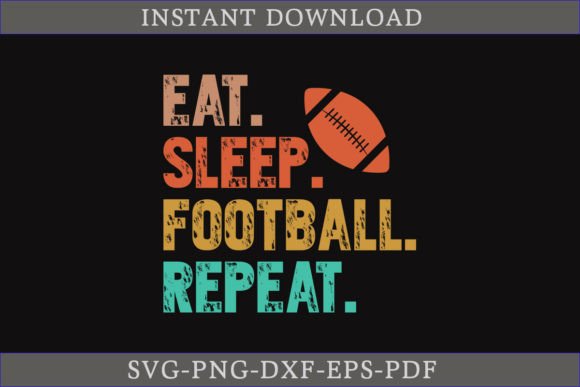
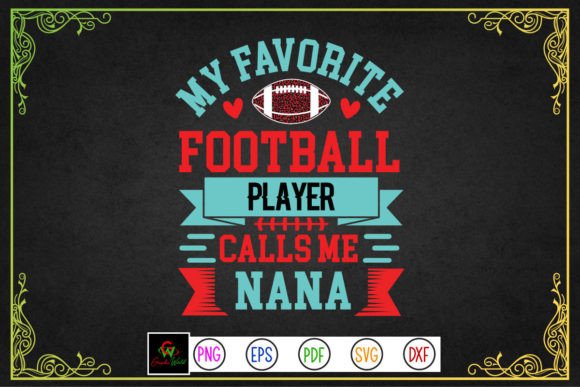
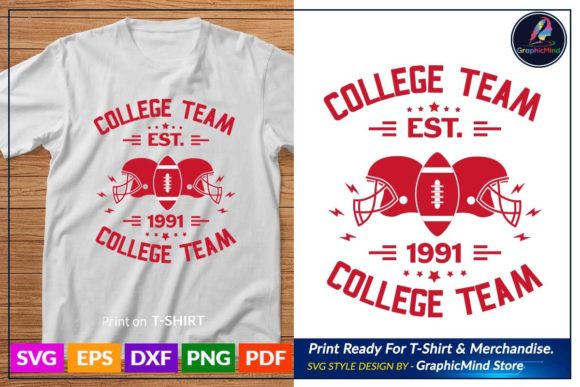
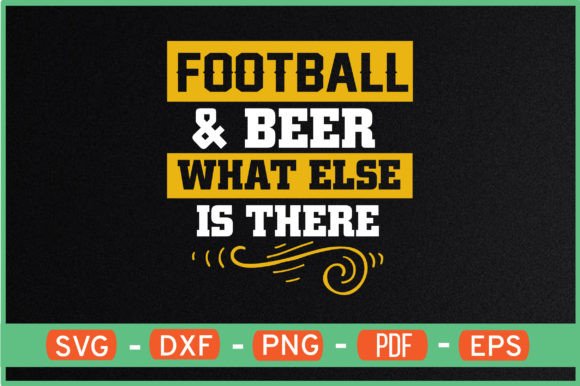
The immediate mood of the Football Beer What else is There T-Shirt design is casual, masculine, and unapologetically fun. It taps into a specific cultural niche that blends sports fandom with leisure culture. Visually, the layout suggests a bold statement piece rather than a subtle accent. For an embroidery project, this means the design needs to hold its own against the fabric background. The thematic elements are clear, which is crucial for quick recognition in a retail setting or as a personalized gift.
When I look at this as a potential digital embroidery file, I am immediately thinking about scale. Designs with strong textual or iconic components like this often rely on clean lines. If the original graphic is too complex, it can turn into a muddy mess of thread when scaled down. However, if the lines are distinct, it offers excellent potential for high-impact stitching on larger items like sweatshirts or tote bags.
Real-World Application Scenarios
To truly understand the value of this asset, we must move beyond the digital preview and imagine it on actual products. I visualized this design on a few different canvases to test its versatility.
- Custom Apparel: This is the most obvious application. Imagine this stitched onto the chest of a heather grey crewneck sweatshirt. The contrast between the thread and the fabric would make the message pop, creating a perfect item for game day wear or casual weekend outings.
- Tote Bag Design: A canvas tote bag provides a stable, flat surface that is ideal for testing stitch density. The rugged nature of canvas complements the "beer and football" theme, making it a practical handmade product for carrying gear to the stadium.
- Embroidered Patch: Creating a standalone patch allows for maximum creativity. You could use a twill backing and satin stitch borders to frame the design. This turns the graphic into a versatile accessory that can be ironed or sewn onto jackets, hats, or backpacks later.
For Etsy sellers and craft business owners, this type of design fits well into the "gift for him" category. It is specific enough to feel personalized but broad enough to appeal to a wide demographic during football season or holidays like Father’s Day.
Technical Considerations for Stitching
Here is where the rubber meets the road. As a reviewer, I need to point out that the product description specifies this is a DIGITAL DOWNLOAD ONLY containing SVG and DXF files. This is a critical distinction for embroidery professionals. SVG and DXF are vector formats primarily used for cutting machines like Cricut or Silhouette, not native embroidery formats like PES, DST, or JEF.
If you are an embroiderer, you cannot simply load these files into your machine. You must either use software to convert these vectors into stitch data or use them as a template to manually digitize the design. This adds a layer of work but also offers control. You can decide whether to use a satin stitch for the text to give it a raised, glossy look, or a fill stitch for larger graphical elements to ensure coverage without excessive bulk.
When planning your embroidery project, consider the following technical aspects:
- Stitch Density: If you convert this to an embroidery file, be mindful of density. Too many stitches in a small area can cause puckering, especially on thinner fabrics like t-shirts. Use a light fill or running stitch for background elements if necessary.
- Hoop Size: Ensure the final scaled design fits within your hoop. Since this is likely a horizontal layout, a 5x7 or 6x10 hoop might be ideal depending on the size you choose.
- Stabilizer Choice: For stretchy fabrics like jersey knits used in t-shirts, a cut-away stabilizer is non-negotiable to prevent distortion. For woven fabrics like aprons or tote bags, a tear-away stabilizer may suffice.
Fabric and Placement Challenges
Not all fabrics behave the same way. While this design might look great on a sturdy cotton canvas, it requires caution on textured or dark fabrics. If you are stitching on a dark navy hoodie, you will need high-contrast thread colors to ensure legibility. White, gold, or bright team colors would work well. Avoid using threads that blend too closely with the background, as the detail will get lost.
Curved surfaces, such as caps, present another challenge. The center of the design must align perfectly with the cap's seam to avoid twisting. Additionally, small details in the graphic might not translate well if the design is shrunk too much for a baby onesie or a small pocket. Always test the design on scrap fabric first. Check how the thread colors interact with the fabric texture and adjust your tension accordingly.
Commercial Viability and Brand Consistency
For small shop products and boutique branding, consistency is key. This design exudes a relaxed, fun vibe. It would fit seamlessly into a brand that focuses on leisure, sports, or humorous gifts. However, it would clash with a brand focused on elegance or minimalism. Know your audience.
Before selling any finished product made with this design, you must verify the licensing terms. Since this is a digital asset from the Crafts category, ensure that the creator allows for commercial use of the derived physical items. Many designers allow you to sell the physical embroidered item but prohibit reselling the digital file itself. Always read the fine print to protect your business.
Final Verdict for Makers
The Football Beer What else is There T-Shirt graphic is a strong candidate for seasonal merchandise and personalized gifts. Its strength lies in its clear theme and emotional connection to popular hobbies. However, because it is provided as SVG/DXF files, it requires an extra step for embroiderers. You must be comfortable with digitizing or converting vectors to stitches.
If you have the skills to translate this vector art into a proper applique design or standard embroidery file, it can become a high-value asset in your portfolio. Test it on various materials, pay attention to your stabilizer choice, and ensure your thread contrast is sharp. With careful execution, this design can elevate a simple garment into a standout custom apparel piece that customers will love to wear and show off.
Remember, the difference between a good product and a great one often lies in the finishing touches. Take the time to trim jump stitches, press the garment properly, and present your handmade product with pride. This design has the potential to be a bestseller for the right maker who understands both the artistic and technical sides of embroidery.